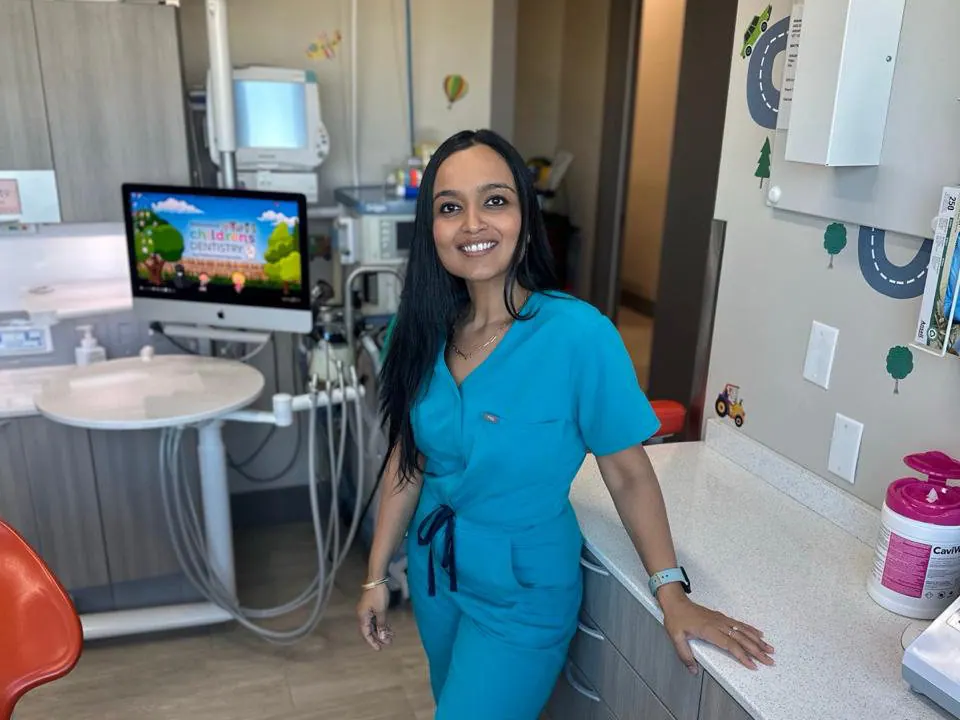
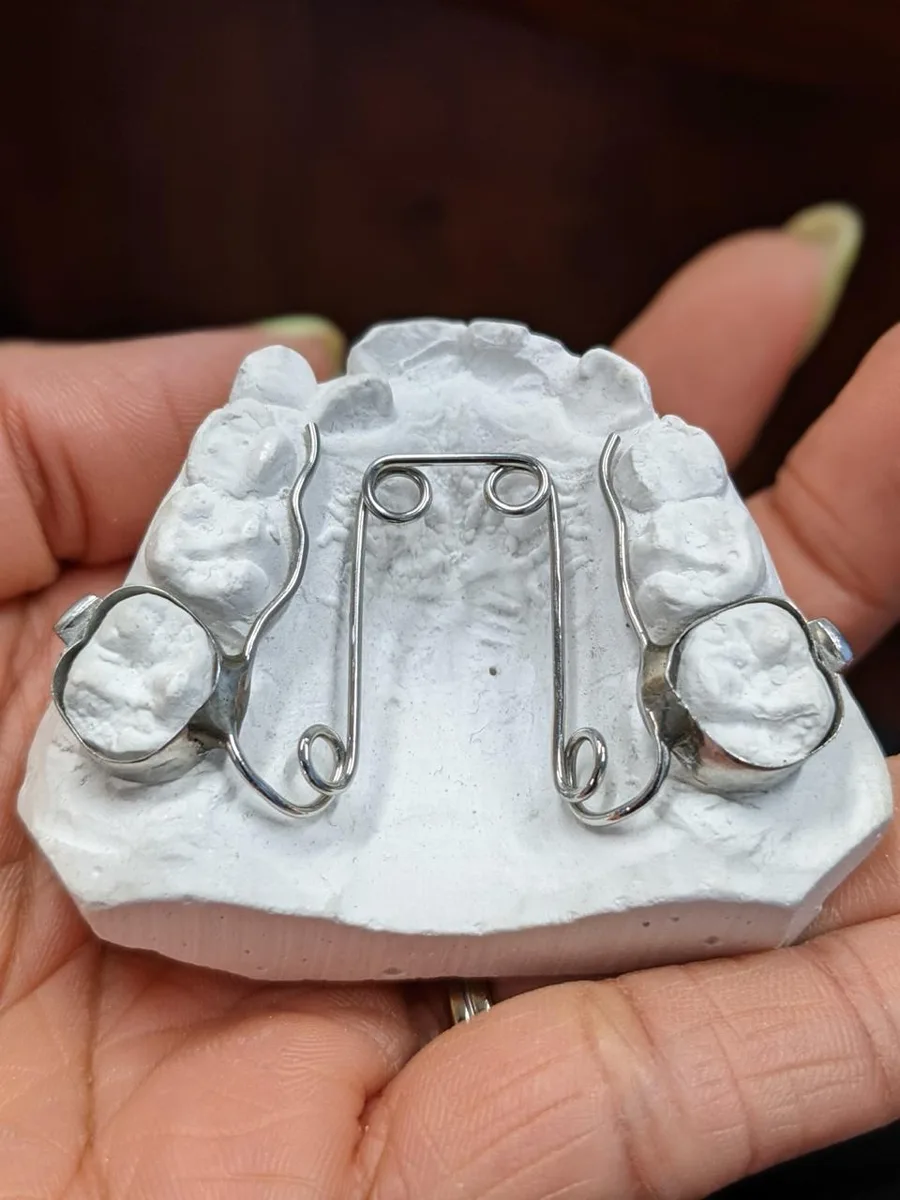
Interceptive orthodontics helps guide your child's growing teeth and jaws at the right time. Early evaluation can help identify bite concerns, crowding, spacing, and habits such as thumb sucking, mouth breathing, or grinding that need early intervention.
Collaboration is key, and she works alongside orthodontists and ENT specialists, so your child is looked after by people who are talking to each other, rather than being treated in isolation.
Common questions
How early should my child be assessed?
Around age seven is the usual guidance, because by then the first adult molars and front teeth are through and the shape of the bite starts to become readable. Some habits, like mouth breathing, grinding, or thumb sucking, are worth mentioning early, ideally as soon as you notice them.
Does this replace braces later on?
Not necessarily, and that is the important part to understand. Interceptive orthodontics is not always about avoiding braces later; it is about improving the foundation while your child is still growing.
In some cases, early treatment can reduce the complexity of future orthodontic treatment, shorten the time in braces, or even remove the need for braces altogether. In most cases, a second phase of braces will still be recommended.
Ready to book your little one's visit?
She would love to meet your family. Reach out and she will find a time that works.
Book an appointment