
A tongue or lip tie can affect feeding, speech, and oral development. As both a Pediatric Dentist and Certified Lactation Counselor, Dr. Nidhi assesses the whole picture before recommending a gentle release when needed.
How the release works
- 01A thorough assessment
Dr. Nidhi evaluates your baby's tongue or lip tie, feeding, and oral function, then discusses the potential benefits, limitations, and whether a release is the right choice.
- 02Tongue tie or lip tie release
If treatment is recommended, the restriction is released precisely, with minimal bleeding.
- 03Back to feeding
Most babies can feed soon after the procedure, whether breastfeeding or bottle feeding.
- 04Support through healing
You'll receive clear aftercare instructions, exercises, and follow-up guidance to support healing and reduce the risk of reattachment.

What a tongue tie looks like
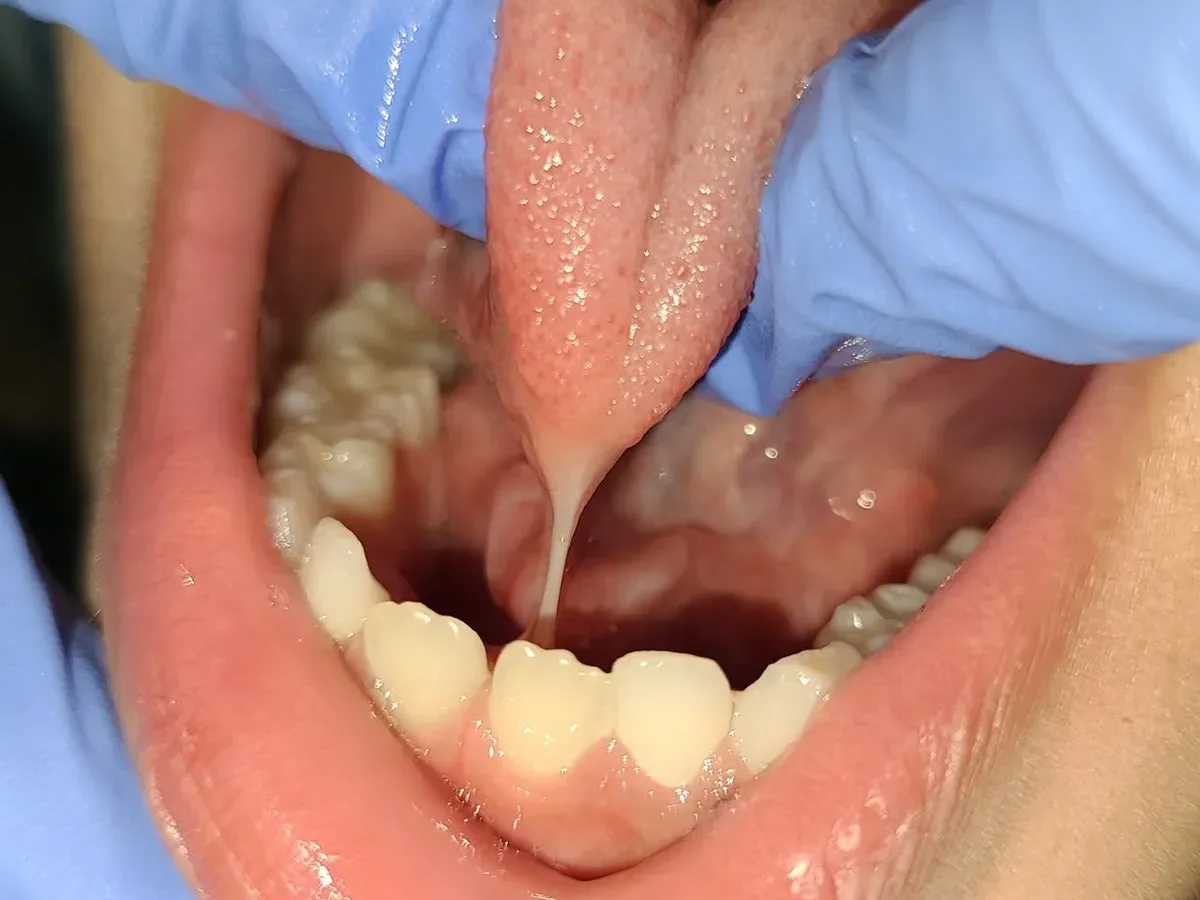
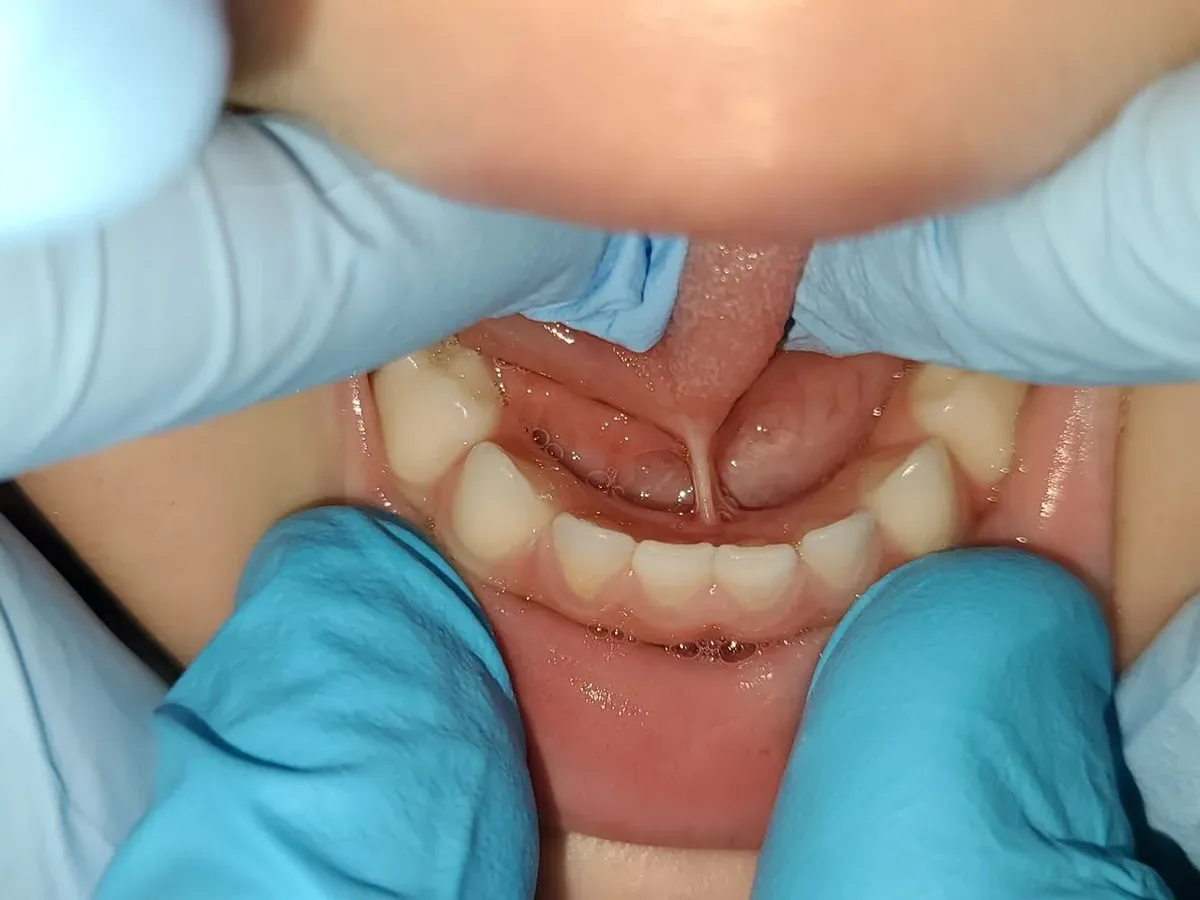
Signs your baby may have a tongue or lip tie that is affecting function
- Painful, shallow, or slipping latch during breastfeeding
- Clicking sounds, leaking milk, or difficulty maintaining suction while feeding
- Long feeds with signs your baby is still unsatisfied or tiring easily
- Poor weight gain despite frequent feeding
- Limited tongue movement, difficulty lifting the tongue, or a heart-shaped tongue tip when crying
- As children grow: difficulty with certain oral movements, speech sounds, or eating skills (in some children)
Ready to book your little one's visit?
She would love to meet your family. Reach out and she will find a time that works.
Book an appointment