
There are often several ways to treat a tooth, and yet not every cavity needs treatment. Her approach favors being ‘minimally invasive’: she will explain why a particular tooth does or does not need treatment, and the rationale behind it.
When treatment is the right call, she chooses the least aggressive option that will do the job properly, keeping as much of your child's own tooth as she can.
ICON
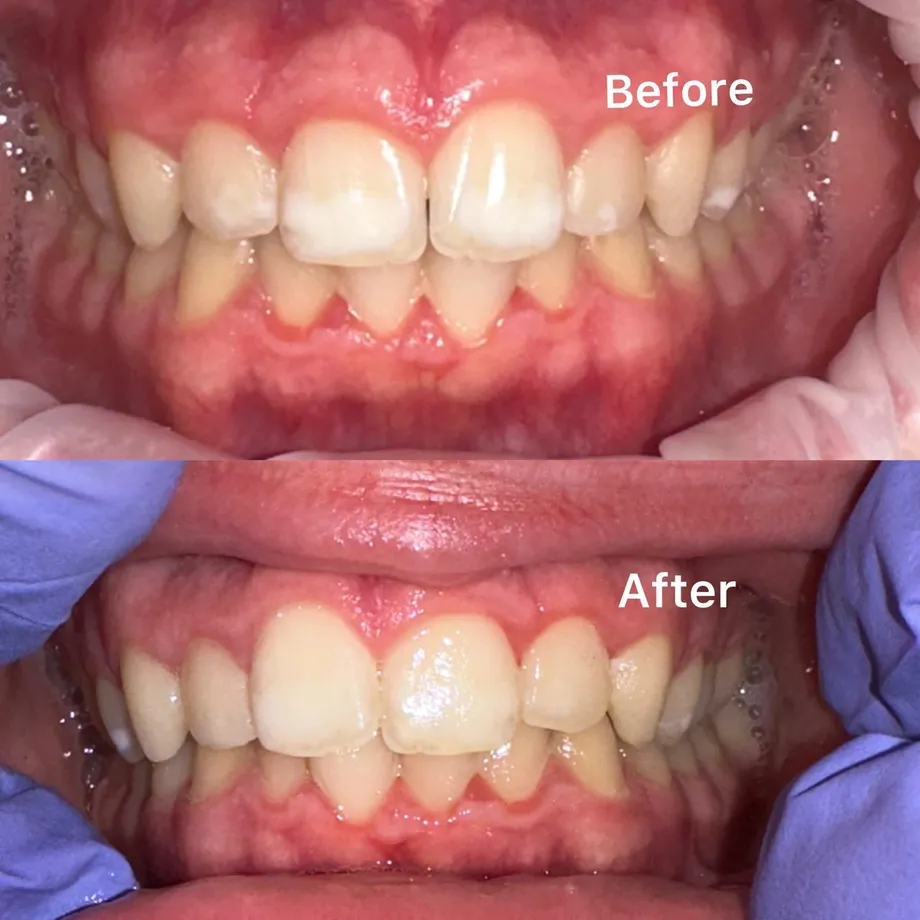
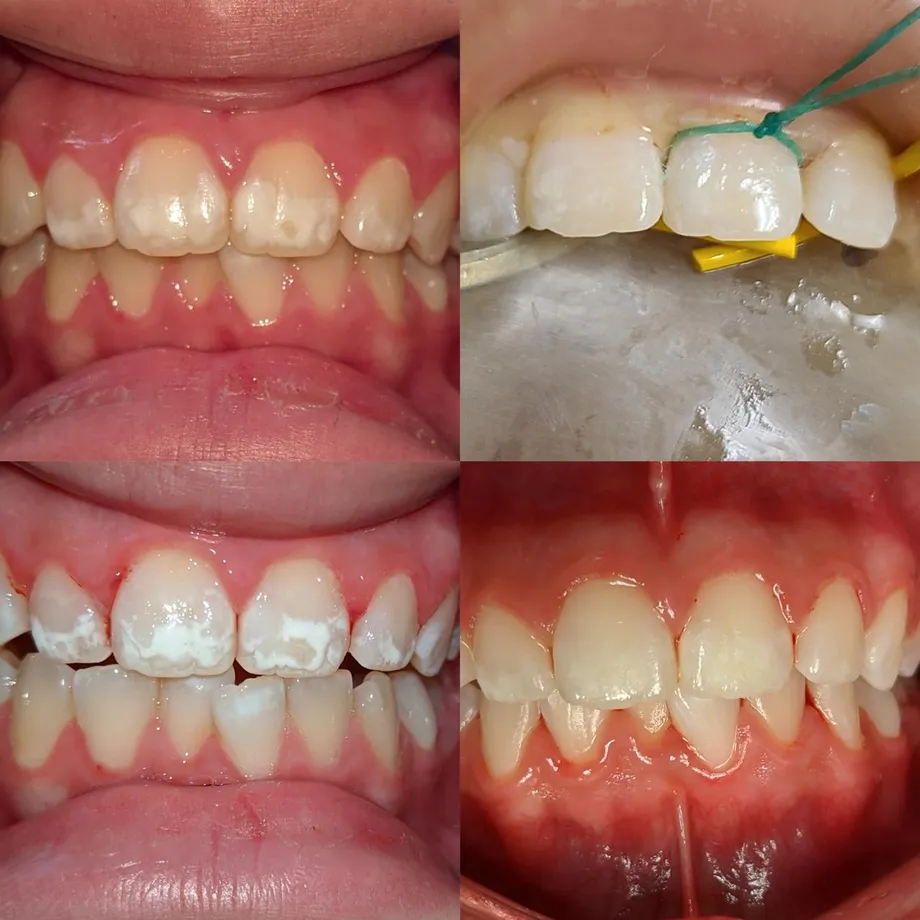
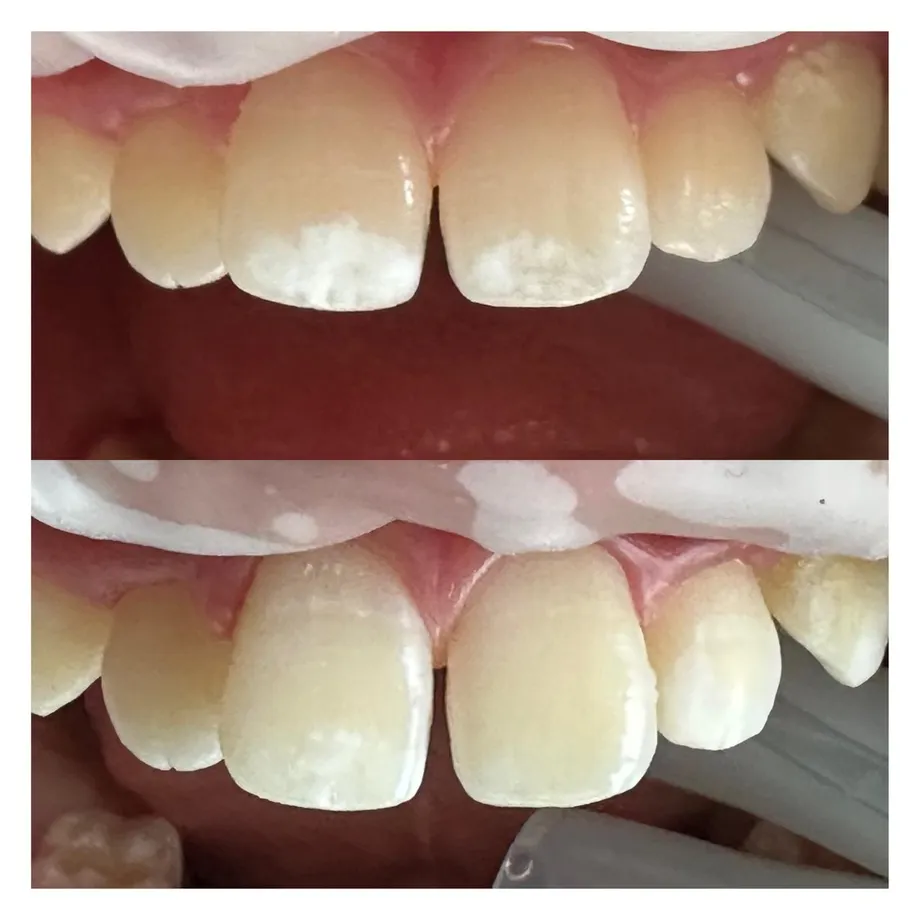
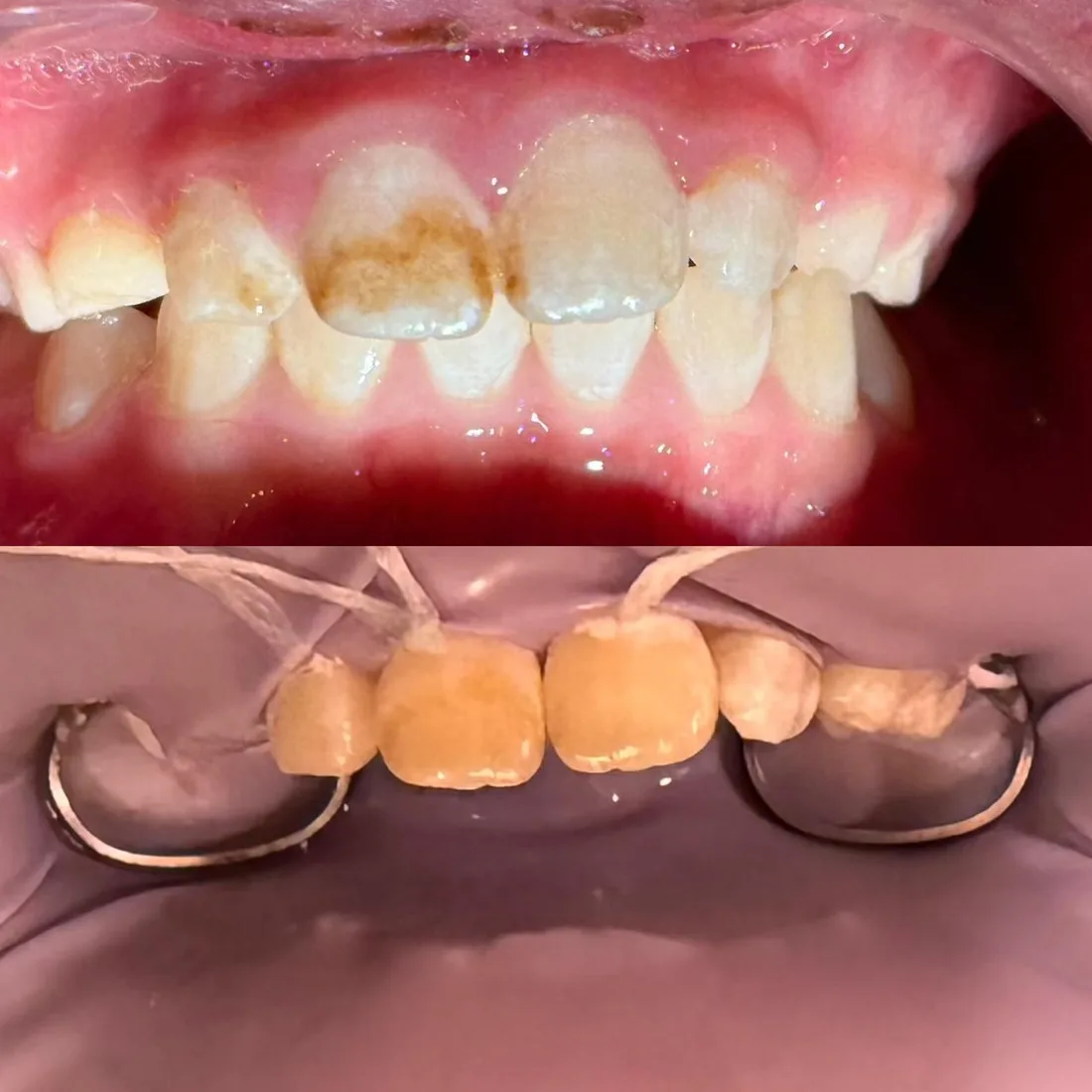
Molar Incisor Hypomineralization
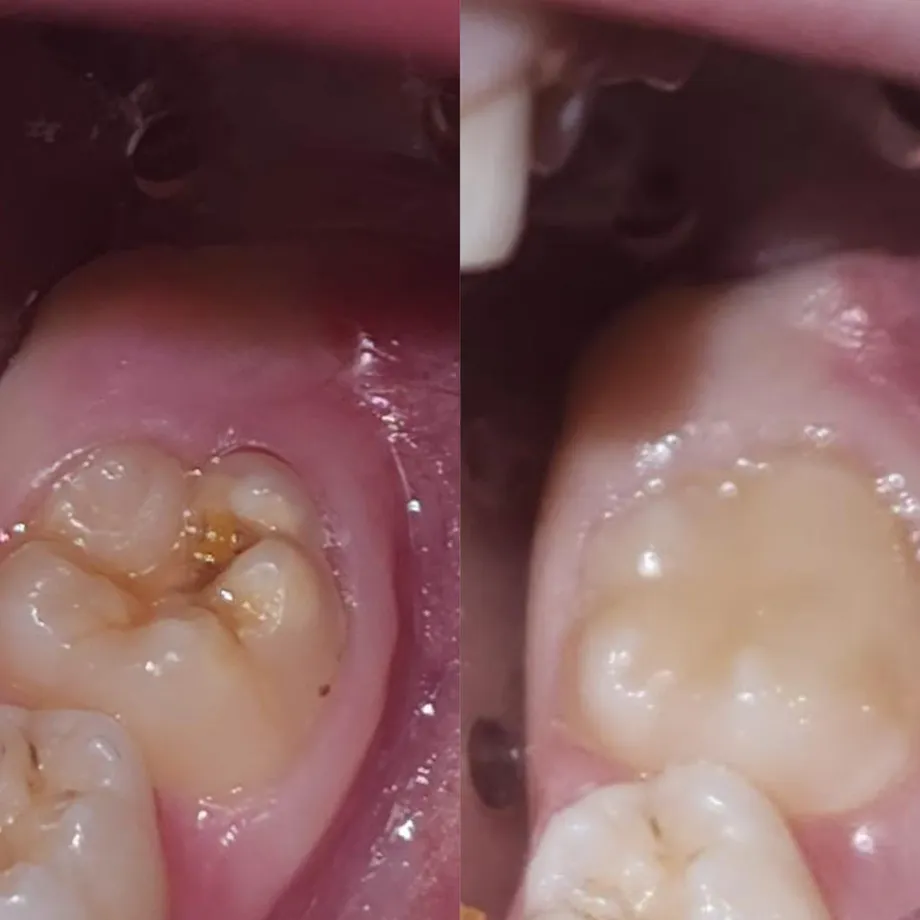
Common questions
Does every cavity need a filling?
Not always. When a cavity is caught in its very early stages, she can sometimes stop it, or even reverse it, with conservative treatment.
And if a baby tooth is very close to falling out naturally, she may choose to watch the cavity rather than treat it, especially if she expects the tooth to come out before the cavity has a chance to cause pain or infection.
That said, this does not apply to every tooth or every cavity. She looks at the tooth carefully, often with the help of X-rays, to work out how deep the cavity is, how long the tooth is expected to stay, and what treatment is safest for your child.
How does she decide what to treat?
By looking at the whole picture: the size and depth of the decay, your child's age and risk of further decay, how close the tooth is to falling out naturally, and how your child copes with treatment.
Every treatment plan is tailored to your child's individual needs.
Ready to book your little one's visit?
She would love to meet your family. Reach out and she will find a time that works.
Book an appointment